
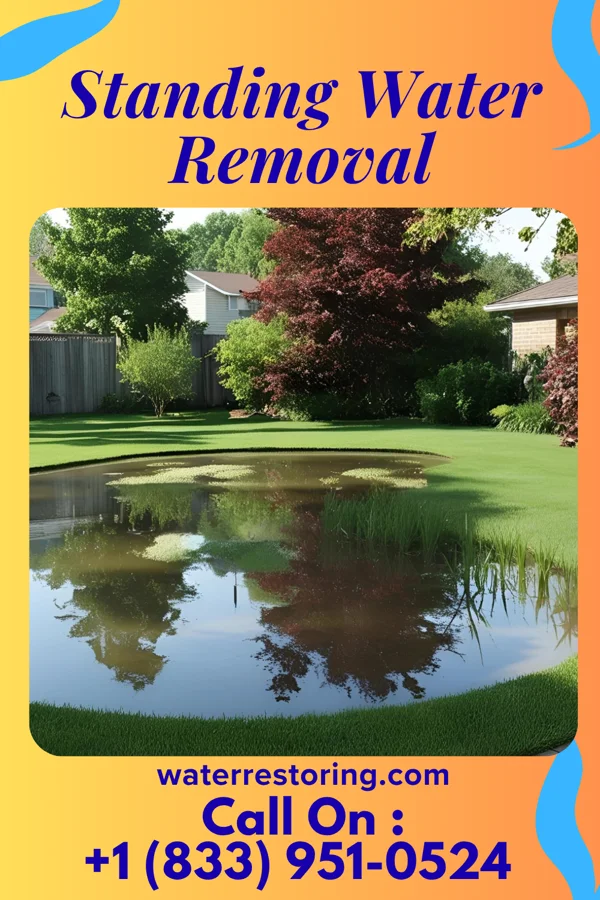
Why Shelby Sees Standing Water Often
The pattern in Shelby is consistent. In Shelby, North Carolina, primary water damage often stems from plumbing failures in older homes, particularly in suburban areas near Light Oak, NC, where aging infrastructure can lead to unexpected leaks. Additionally, heavy rainfall during the spring and summer months frequently causes basement flooding, especially in neighborhoods like Patterson Springs and Kingstown. drives most of the emergency restoration calls we get. A close second is Secondary causes include sewer backups, which are common in areas with outdated drainage systems, and stormwater runoff that overwhelms local storm drains. These issues are exacerbated by the suburban layout of Cleveland County, where residential developments are often built on previously agricultural land..
Shelby experiences a humid subtropical climate, which increases the risk of mold growth and prolonged drying times. The region's frequent thunderstorms and occasional heavy downpours contribute to water damage incidents, particularly in the spring and early fall.
Shelby experiences a humid subtropical climate, which increases the risk of mold growth and prolonged drying times. The region's frequent thunderstorms and occasional heavy downpours contribute to water damage incidents, particularly in the spring and early fall. The dominant local driver is In Shelby, North Carolina, primary water damage often stems from plumbing failures in older homes, particularly in suburban areas near Light Oak, NC, where aging infrastructure can lead to unexpected leaks. Additionally, heavy rainfall during the spring and summer months frequently causes basement flooding, especially in neighborhoods like Patterson Springs and Kingstown., with Secondary causes include sewer backups, which are common in areas with outdated drainage systems, and stormwater runoff that overwhelms local storm drains. These issues are exacerbated by the suburban layout of Cleveland County, where residential developments are often built on previously agricultural land. showing up as the next most common cause. Damage builds in stages. Spread. Absorption. Microbial growth. Structural compromise. Every stage you pass through adds to the final bill.